When customers purchase a touch screen POS system, they often focus on specifications such as CPU, memory, display size, or operating system.
However, behind every commercial POS terminal is a long and highly controlled development process involving industrial design, hardware engineering, software validation, tooling, reliability testing, and mass production management.
For OEM and ODM projects, the quality of this process often determines whether a product succeeds or fails in the market.
At DCAPOS, every POS terminal undergoes a structured product development cycle designed to ensure reliability, durability, and long-term performance.
In this article, we’ll walk through the complete lifecycle of a professional touch screen POS system—from concept to mass production.
Stage 1: Market Research and Product Definition
Every successful POS terminal begins with a clear understanding of customer requirements.
Before any engineering work starts, our product team evaluates:
- Industry trends
- Customer feedback
- Competitive products
- Software compatibility requirements
- Regional market demands
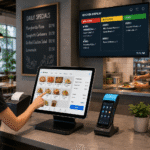
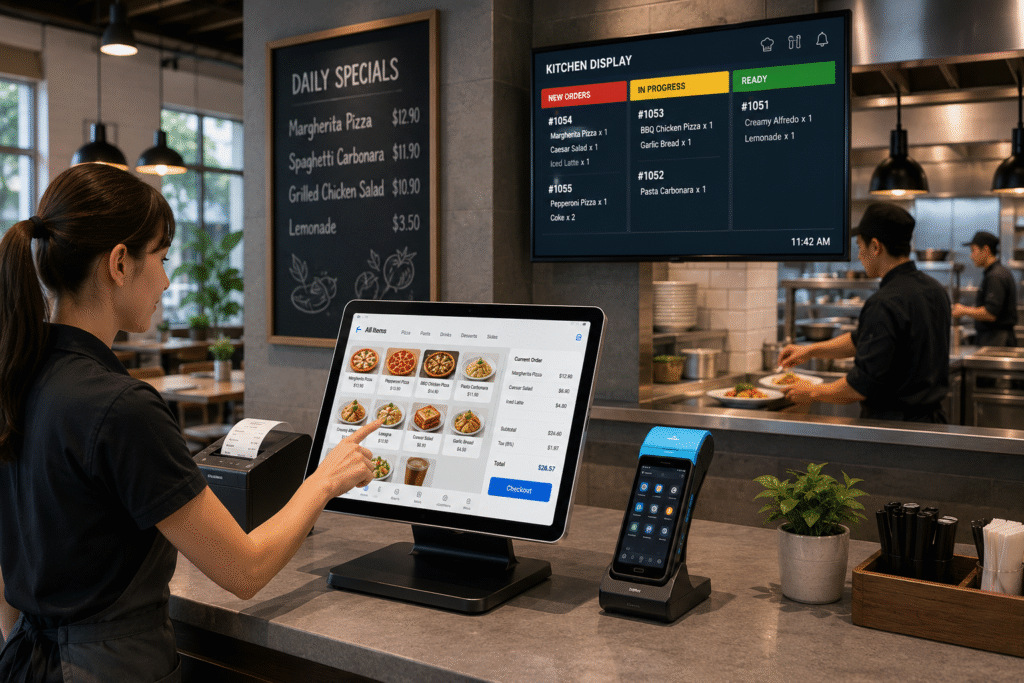
For example, a restaurant POS terminal may require:
- Dual-screen support
- Thermal printer integration
- NFC payment capability
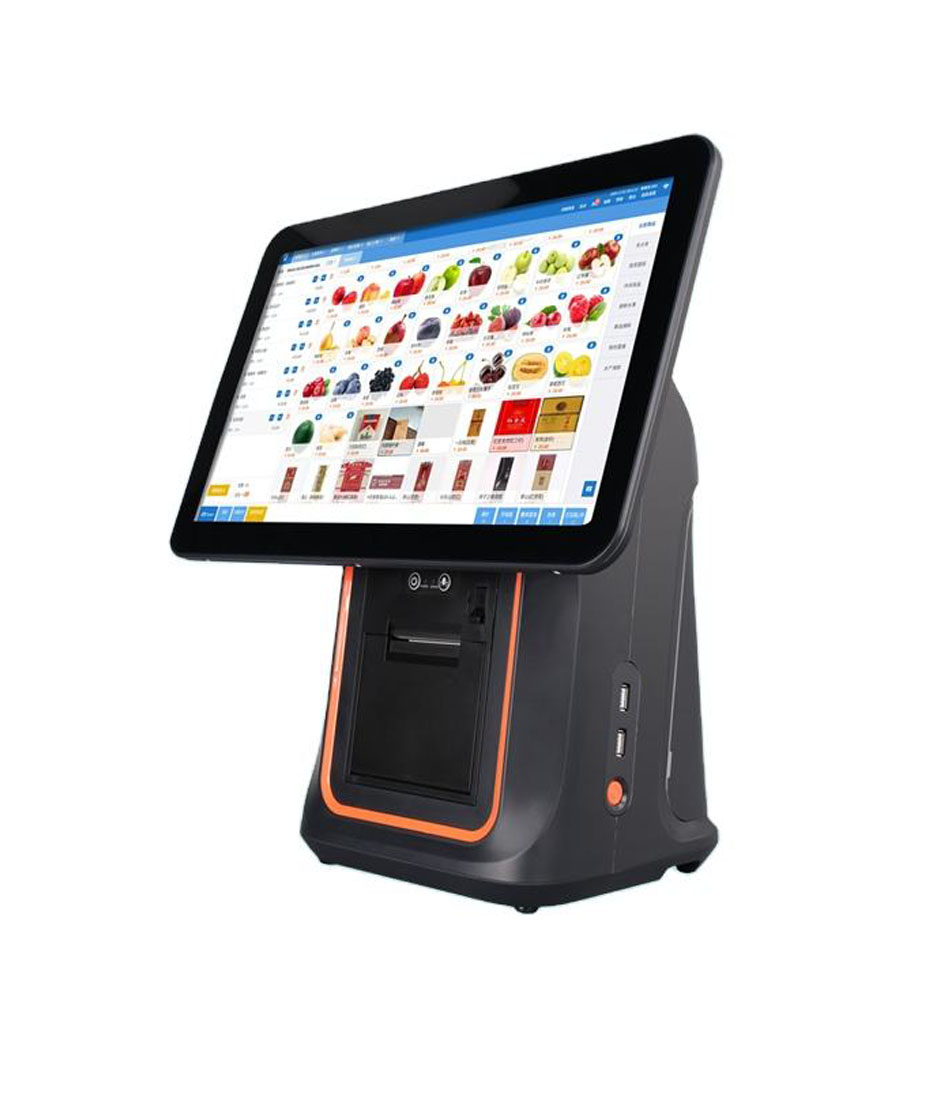
A retail POS terminal may prioritize:
- Barcode scanner integration
- Multiple USB ports
- Customer display options
At this stage, the product specification document (PRD) is created.
This document becomes the foundation for the entire project.
Stage 2: Industrial Design (ID)
Once product requirements are defined, the industrial design team begins creating the external appearance.
This stage focuses on:
- Product aesthetics
- Ergonomics
- User experience
- Thermal considerations
- Installation methods
Designers create multiple concepts before selecting the final design direction.
Key considerations include:
Screen Viewing Angle
POS systems operate for many hours each day.
Proper viewing angles reduce operator fatigue.
Cable Management
Professional POS terminals require clean cable routing.
Commercial Appearance
The product must look modern while maintaining a professional business image.
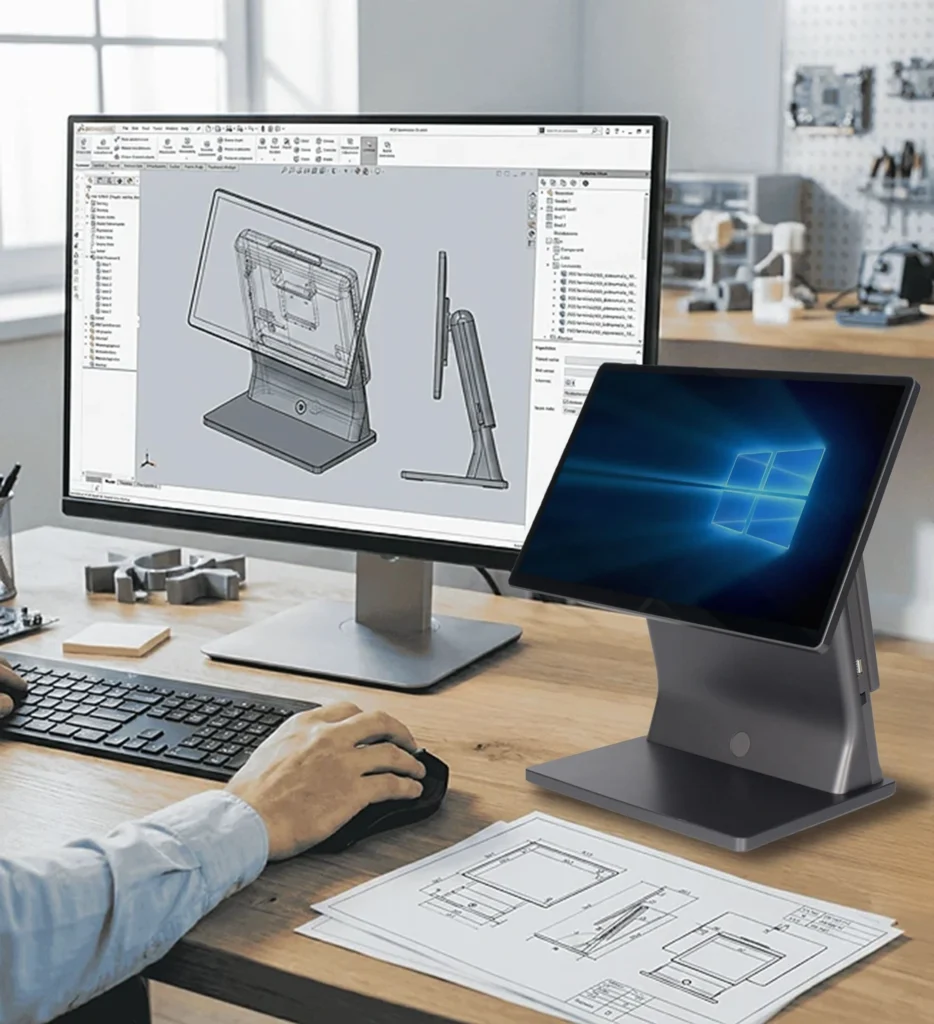
The result of this stage is a complete industrial design package and 3D CAD model.
Stage 3: Mechanical Engineering
After industrial design approval, the mechanical engineering team transforms the concept into a manufacturable product.
Engineers develop:
- Internal structures
- Mounting systems
- Heat dissipation solutions
- Structural reinforcement
- Peripheral integration
At this stage, engineers analyze:
Structural Strength
The enclosure must withstand years of commercial use.
Heat Management
Modern Android and Windows processors generate heat.
Thermal simulations help optimize airflow and heat dissipation.
Serviceability
Components should be easy to assemble and maintain.
Detailed engineering drawings are created for manufacturing.
Stage 4: Electronic Hardware Development
Meanwhile, the hardware engineering team develops the electronics architecture.
This includes:
- Mainboard selection
- CPU platform validation
- Memory configuration
- Touch controller integration
- Display driver design
- Peripheral interfaces
Engineers verify compatibility with:
- Android
- Windows
- Linux (if required)
Interface validation includes:
- USB
- RJ45
- Serial ports
- HDMI
- Cash drawer ports
- Printer interfaces
Hardware reliability starts at this stage.
Stage 5: Firmware and Software Debugging
Hardware without stable software has little value.
The software team begins extensive validation and debugging.
Areas tested include:
Touch Performance
- Accuracy
- Response speed
- Multi-touch functionality
Display Performance
- Brightness
- Contrast
- Viewing angles
Peripheral Communication
- Barcode scanners
- Receipt printers
- Cash drawers
- Customer displays
Operating System Stability
Long-duration testing ensures stable operation under continuous use.
This phase often involves hundreds of engineering hours.
Stage 6: Prototype Development
Once engineering validation is completed, prototype units are built.
Typically, several rounds are produced:
EVT (Engineering Validation Test)
Focus:
- Functional verification
- Basic hardware testing
DVT (Design Validation Test)
Focus:
- Mechanical verification
- Appearance validation
- Reliability improvements
PVT (Production Validation Test)
Focus:
- Manufacturing readiness
- Process validation
Each stage identifies issues before mass production begins.
Stage 7: Tooling Development (Mold Making)
For large-volume projects, production tooling is developed.
This is one of the most critical investments in the entire project.
Tooling development includes:
- Plastic injection molds
- Metal stamping tools
- Die-casting molds (if required)
Precision tooling determines:
- Product appearance
- Dimensional accuracy
- Assembly consistency
Mold development may take several weeks depending on product complexity.
Stage 8: Tooling Trial and Sample Verification
After mold completion, T1 samples are produced.
Engineers inspect:
Dimensional Accuracy
Every component must match engineering specifications.
Assembly Fit
Parts must align correctly without gaps.
Surface Finish
Commercial POS products require consistent cosmetic quality.
Structural Integrity
The product must withstand commercial use conditions.
If issues are identified, mold modifications are performed.
Additional rounds such as T2 or T3 may be required.
Stage 9: Reliability Testing
Before mass production approval, reliability testing is conducted.
Typical tests include:
High Temperature Testing
Evaluates performance under extreme operating conditions.
Low Temperature Testing
Verifies cold-start reliability.
Continuous Operation Testing
POS terminals often operate 12–24 hours daily.
Touchscreen Life Testing
Simulates years of touchscreen usage.
Port Insertion Testing
USB and other connectors undergo repeated insertion cycles.
Drop and Vibration Testing
Assesses transportation durability.
Reliability testing helps identify potential failures before products reach customers.
Stage 10: Certification and Compliance
Global deployments require regulatory compliance.
Depending on target markets, certifications may include:
- CE
- FCC
- RoHS
- UKCA
- CCC
Testing ensures compliance with international safety and EMC standards.
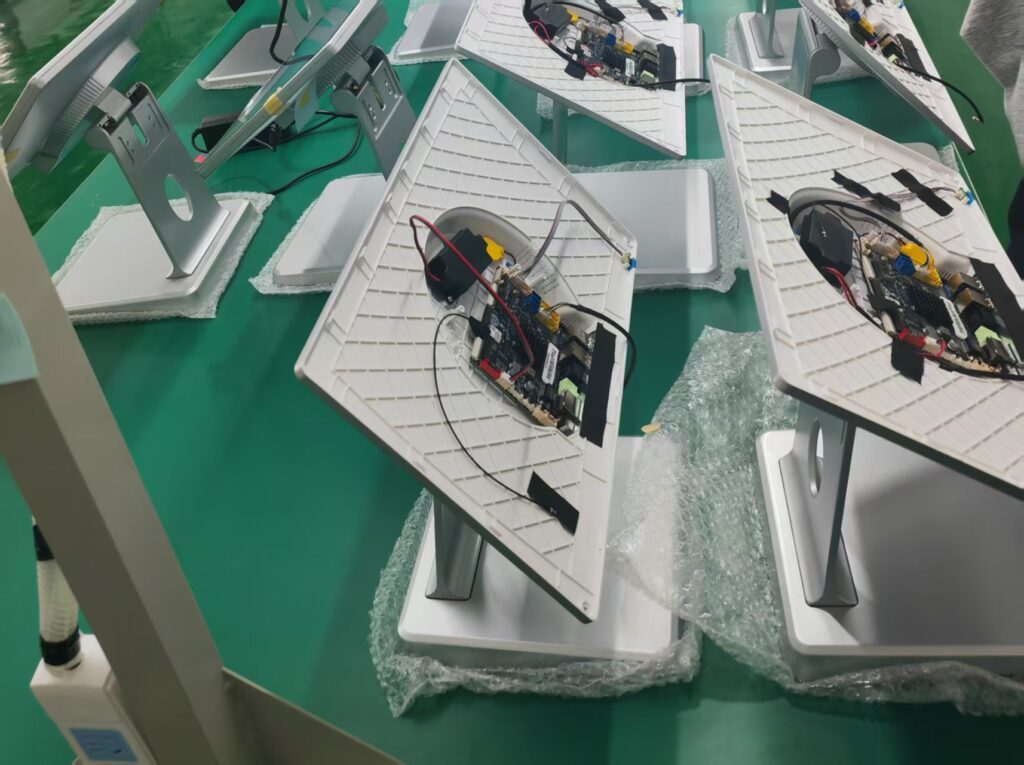
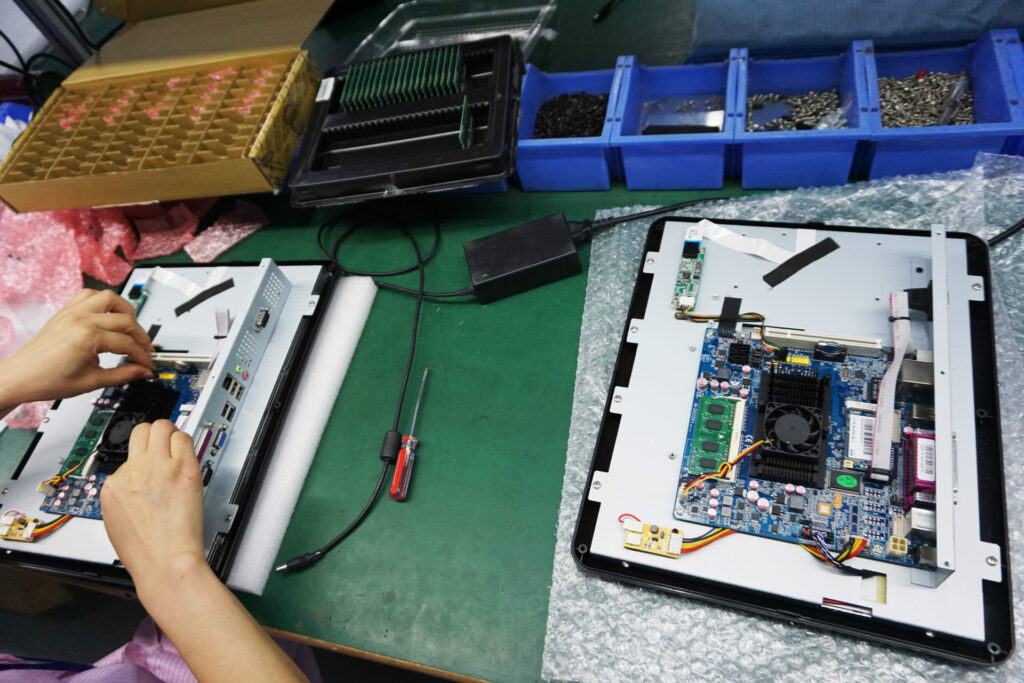
Stage 11: Pilot Production
Before full-scale production, a pilot run is conducted.
Objectives include:
- Assembly verification
- Production efficiency analysis
- Quality control validation
- Packaging verification
Pilot production helps eliminate risks before mass production.
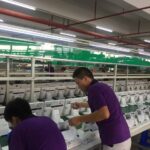
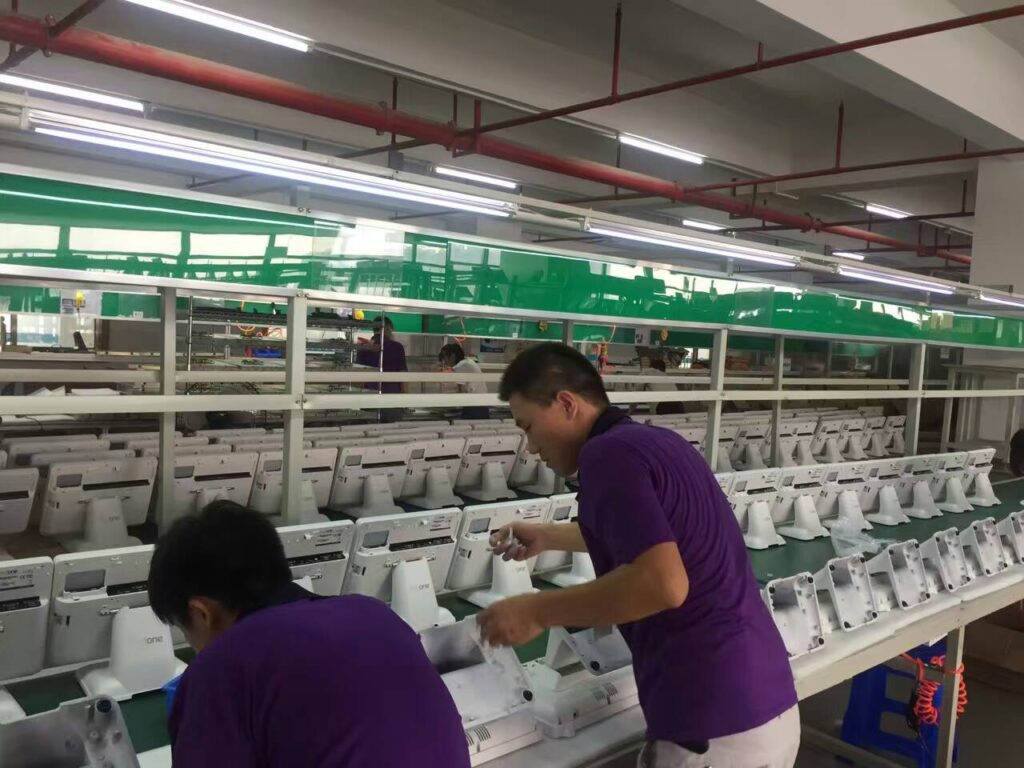
Stage 12: Mass Production
Only after all validation stages are completed does mass production begin.
Key controls include:
Incoming Material Inspection (IQC)
All components are inspected before entering production.
In-Process Quality Control (IPQC)
Production quality is monitored continuously.
Final Quality Control (FQC)
Finished products undergo comprehensive inspection.
Outgoing Quality Control (OQC)
Products are verified before shipment.
This multi-layer quality system helps ensure product consistency.
Why This Process Matters
Many POS terminals may look similar externally.
However, product quality is determined by what happens during development and manufacturing.
A disciplined engineering process results in:
- Higher reliability
- Longer product lifespan
- Better thermal performance
- Greater software stability
- Lower failure rates
- Better customer experience
For software companies and system integrators, selecting a manufacturer with a mature development process significantly reduces project risk.
Final Thoughts
Developing a professional touch screen POS system is far more complex than assembling components.
It requires coordination between industrial designers, mechanical engineers, hardware developers, software teams, tooling specialists, quality engineers, and manufacturing professionals.
Every stage—from concept design and prototype validation to tooling development and mass production—plays a critical role in delivering a reliable commercial POS solution.
At DCAPOS, we follow a structured development and manufacturing process to ensure that every POS terminal meets the performance, durability, and quality expectations of our global customers.